
Don’t Stop ’Til You Get the Look
- 2 days ago
- 4 min read
By: Sarena Sambo
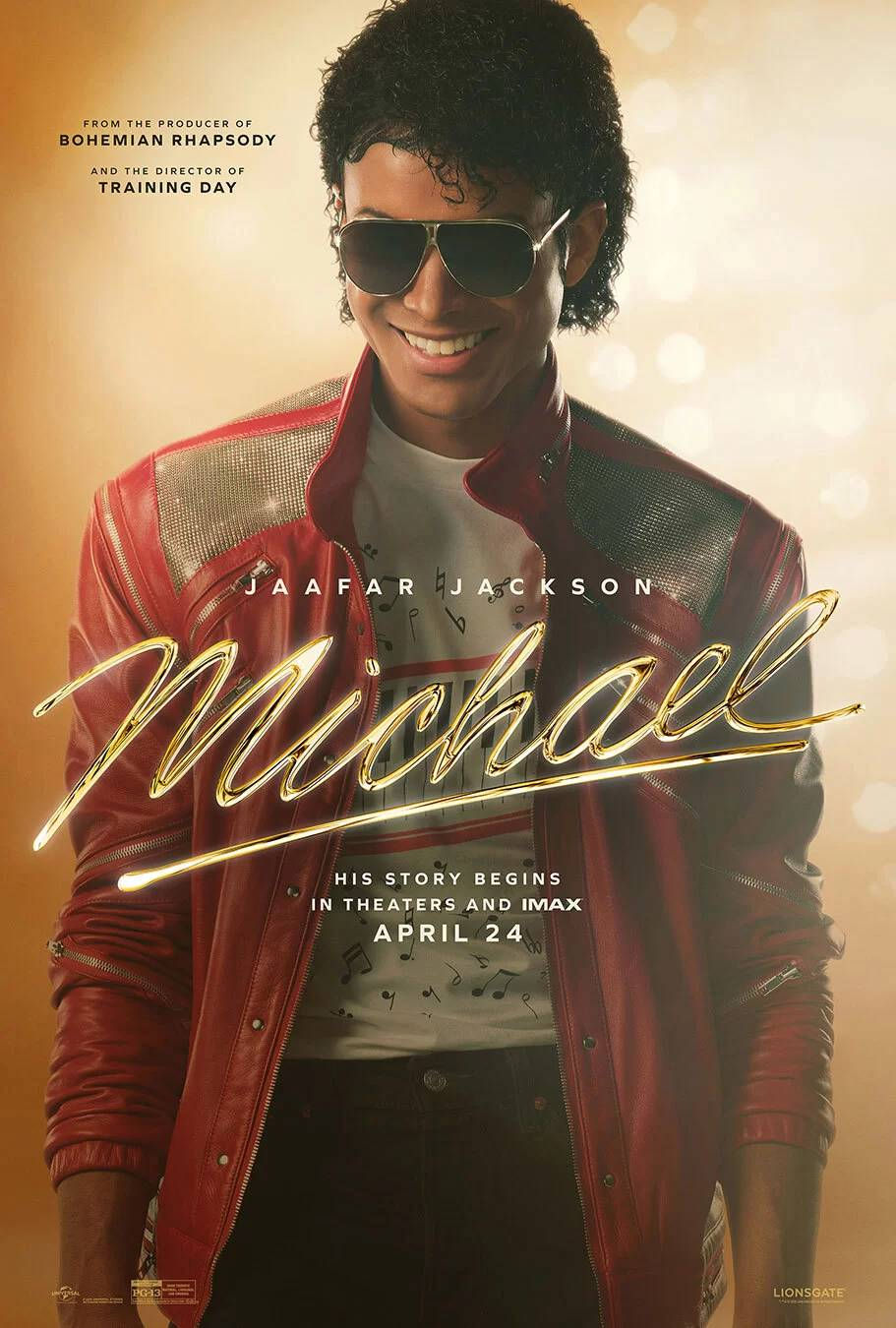
This past Sunday, I found myself completely pulled into the world of Michael Jackson and not just watching a film, but witnessing a legacy unfold frame by frame.
Going into it with an open mind, The Michael film felt intimate, reverent, and at times, hypnotic.
It captures not just the scale of his superstardom, but the story behind it.
Every movement, every glance, I found myself sitting in the theater in awe of the big screen.
Thanks to Jaafar Jackson, there's a fluidity to his performance that makes you forget you’re watching an actor at all, it was a true embodiment.
Watching him move through the eras of Michael’s life feels like watching something being created right in front of you.
From the very beginning of his career with The Jackson 5, you could already see The Jackson's approach to style was just the beginning of something great.
The looks were coordinated, colorful, and very much rooted in the 70s, but even then, there was a sense of care in how everything fit and moved.
Flared pants, tailored jackets, the polished finish, it all worked together as a band.
They helped shift the spotlight, placing Black identity and joy at the forefront of mainstream pop culture.

As he grew into his solo career, Michael Jackson’s style became a reflection of who he was becoming, not just as an artist, but as a person he was always reaching toward.
He was a true maximalist, drawn to detail, texture, and pieces that made a statement without ever losing the essence of who he was.
The glove is probably the first thing people think of.
That single, sparkling glove became such a defining part of his image.
It caught the light every time he moved and drew your eyes exactly where he wanted them.
There was something so simple about it, but it stayed with you because it was different.
It turned one small detail into something unforgettable to his wide fanbase.
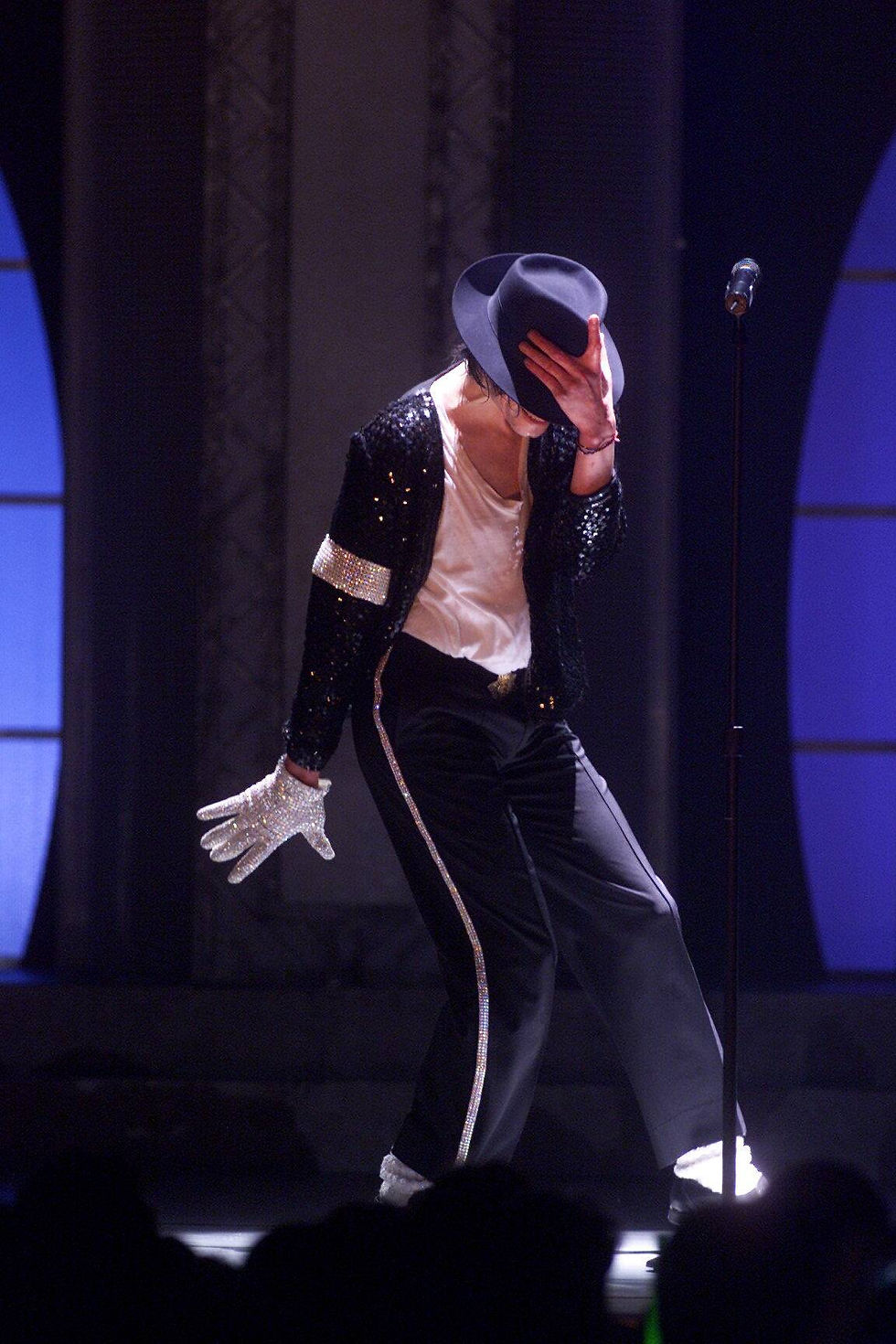
His style really felt larger than life and you can see it from a mile away.
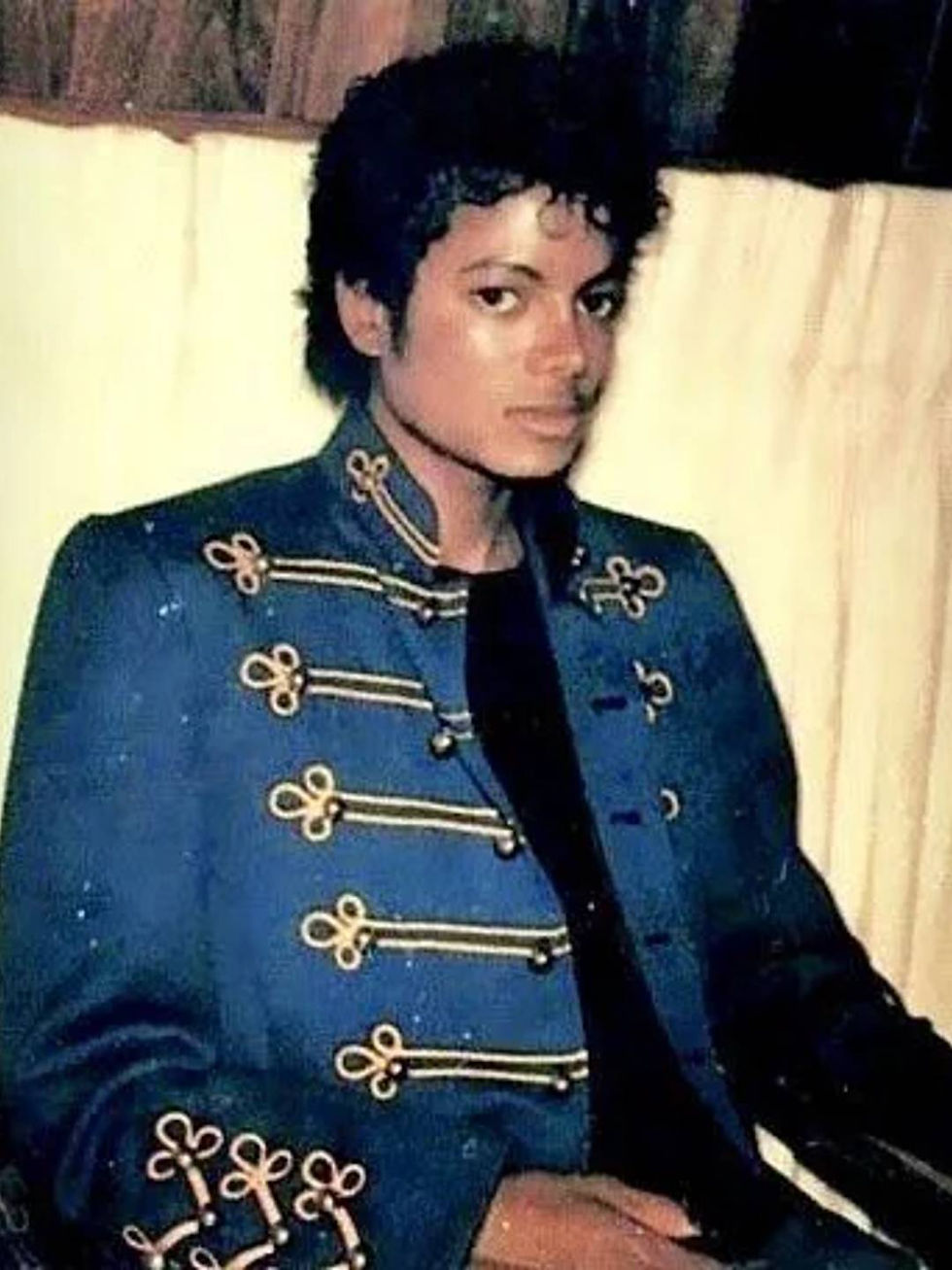
Jackets with structured shoulders, the fitted shape, the heavy embellishment.
A lot of these looks were inspired by military uniforms, but they never felt stiff.
They still allowed him to move the way he needed to on stage.
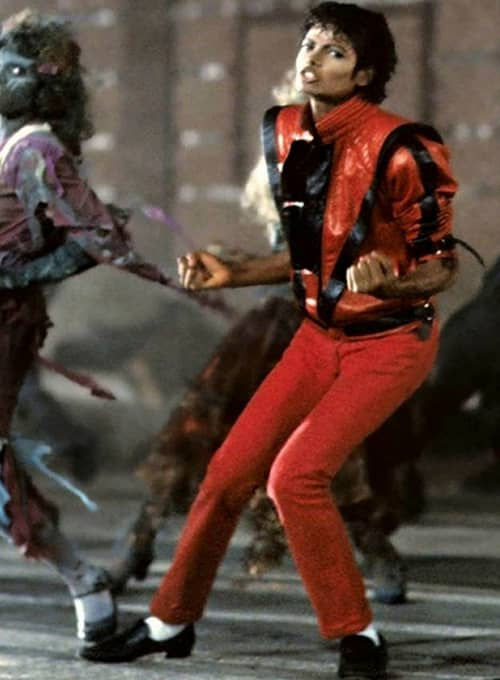
You see it in his eras like Thriller and Bad, where the jackets almost became part of the performance itself.
They carried a sense of power, but also a kind of showmanship that made them feel unique to him.
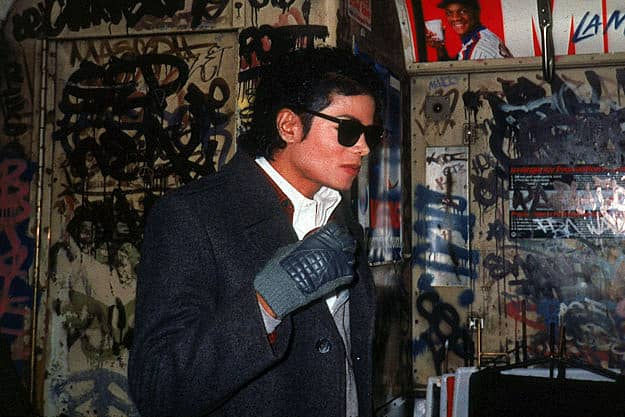
But if the military regalia was about presence, his eyewear was the one that served him protection.
His sunglasses added another layer to this carefully constructed shield.
There was a profound mystery to it; you could see him, but you could never truly perceive him.
It felt like a small, quiet way for him to hold onto something private, even while being one of the most visible people in the world.
What really stood out to me was MJ’s approach to tailoring as a whole.
Everything fits with purpose.
The lines, the shoulders were sharp, and the proportions always worked with his body, to the point you can tell his clothes were made for him, not just picked off a rack.
Even early on, he was working with dressmakers to shape how he looked on stage.
He pulled from history, art, and performance, building a wardrobe that felt almost theatrical but still precise.
In menswear, tailoring is often talked about as the difference between wearing clothes and owning them, especially in this newsletter.
Michael was a perfect example of that.
He didn’t just wear statement pieces, he made them feel natural and his impact on menswear is still here.
At the height of his career, he changed how a male pop star could present himself.
The mix of performance and precision, the balance of structure and expression, it influenced not just stage fashion but everyday style too.
When you look at everything together, the tailoring, the movement, the sparkle, it starts to feel like more than just fashion.
It truly encapsulated his unique legacy as a whole.
And I think a lot of that traces back to his childhood.
The love for fantasy, for storytelling, for those softer, more imaginative spaces that he didn’t always get to fully live in.
You can feel that in the way he held onto wonder, even at the height of his fame.
It showed up in the details, in the way things sparkled, in how every look felt a little larger than reality but never disconnected from him.
It’s what made his style feel so personal; not just iconic, but honest in its own way.
Like he was always reaching for something, and somehow bringing the rest of us with him.
His legacy continues to live on in every stage, every collection, every artist who understands that fashion is part of the performance.
He’ll always be fly at NYFG, always a reference, always a standard, may he rest in peace.


